In short
Leaders rarely sink a digital rollout with one big mistake. They do it with ten small ones: buying software before diagnosing the process, delegating adoption to someone without authority, measuring activity instead of outcomes, and letting data live in five disconnected tools. Each is reversible. The fix starts with a written diagnosis, a named owner at the top, and one system of record.
I run technical support, which means I hear about digital rollouts at the exact moment they start to wobble. The ticket rarely says the software is broken. It says nobody is using the pipeline view, or the numbers in the dashboard do not match the spreadsheet, or could we please export everything so the team can go back to the old way. By the time that ticket arrives, the decision that caused it was made months earlier, usually by the person who signed the contract.
February is a good month to look at this honestly. Q1 plans are written, the budget cleared back in December, and the rollout that was supposed to make this year different is either gaining traction or quietly stalling. Below are the ten ways I see leaders get in their own way, grouped by when the damage is done. None of them is about technology. All of them are about decisions, which is the encouraging part.
The damage that happens before the contract is signed
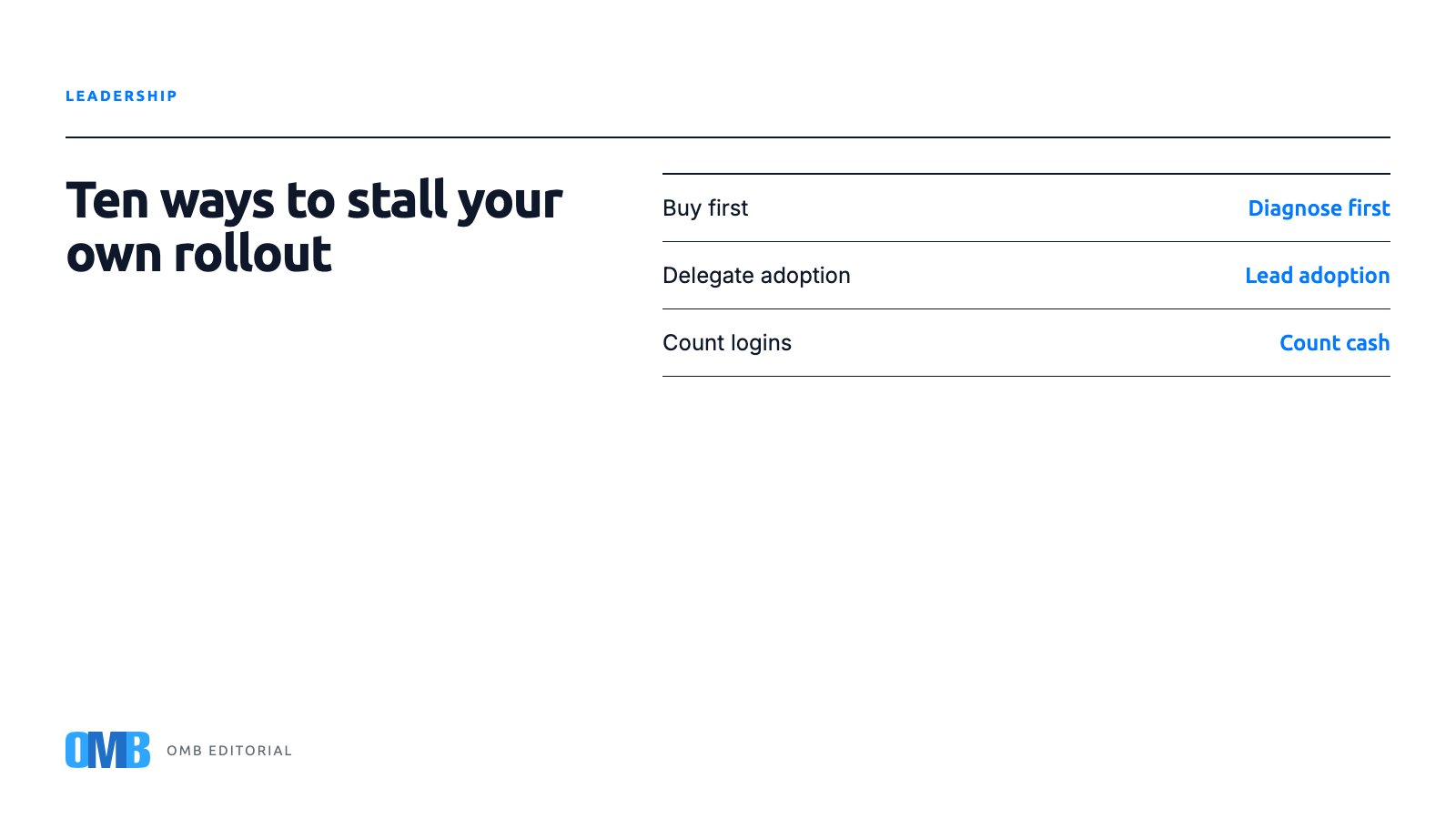
- Buying before diagnosing. The demo was impressive, so the tool got bought, and only afterwards did anyone map how a lead actually moves from first contact to paid invoice. Diagnose first, on paper, with the people who do the work, and the shortlist writes itself.
- Letting the vendor define the problem. Every platform is built around a story about what is wrong with your business. If you have not written your own version, you will adopt theirs, and it will fit their product better than it fits your operation.
- Buying for the org chart you wish you had. A system designed for a twelve-person sales team with a full-time administrator will sit half-empty in a company where three people sell and nobody administers. Buy for the team that exists this quarter, with room to grow.
The damage that happens during the rollout
- Delegating adoption. The leader who says this is important and then never opens the system has told the team exactly how important it is. Adoption is led from the top by using the tool in front of people: the Monday review runs from the pipeline screen, not from a slide.
- Keeping the old tools alive as a safety net. When the spreadsheet stays open just in case, it becomes the real system within a month, because it is faster and nobody is watching it. Set a closing date, shut the old door, and mean it.
- Training once and calling it done. One two-hour session in week one covers features. It does not cover the habits that form in week six, when the workarounds appear. Short refreshers at thirty and ninety days catch the drift before it becomes culture.
- Nobody owns the data. If three people can create a company record and none of them is responsible for keeping it clean, you will have three versions of every customer by summer. Name one owner per data type, with the authority to reject bad entries.
The damage that happens after go-live
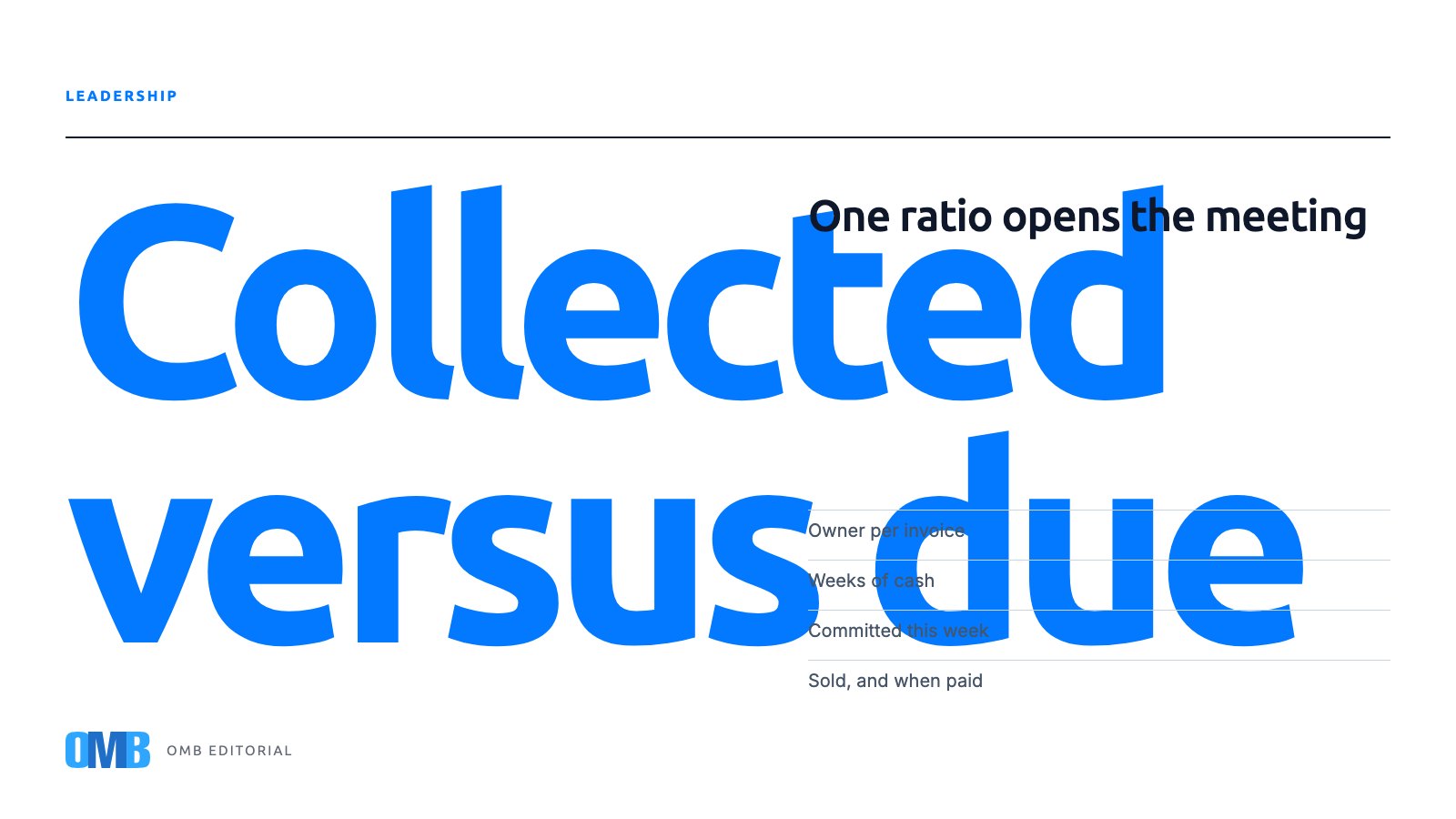
- Measuring activity instead of outcomes. Logins, calls logged, tasks completed: these tell you the system is being touched, not that it is working. The rollout succeeds when a lead is followed up faster, a quote goes out sooner and a payment arrives earlier. Measure those.
- Data scattered across five tools. Leads in one place, quotes in a second, invoices in a third, follow-up in an inbox, and reporting in a spreadsheet that reconciles the other four by hand. Every handoff between tools is a place where a customer can fall through. One system of record, or at minimum one place where the number is true.
- Reading the dashboard once a quarter. A dashboard nobody opens on Tuesday morning is decoration. The habit that makes a rollout stick is a weekly look at the same six numbers, with a decision attached to each one. If a number never changes a decision, remove it.
Read the list again and notice what the items have in common. Not one of them requires a better vendor or a bigger budget. Every one is a leadership choice, and that is the good news: the person who caused the stall is also the only person who can end it, usually within a few weeks rather than a few quarters.
If your rollout is somewhere in the middle of this list, the way back follows the same order we use when we work alongside a company: diagnose what is actually happening, align the people and the data around one version of the truth, and only then execute. A stalled rollout is not a failed one. It is a rollout waiting for its owner to show up.
Key points
- Write the diagnosis before you shortlist software; the map of how a lead becomes an invoice is the real requirements document.
- Lead adoption from the top by running your weekly review from the system itself, not from a slide.
- Set a closing date for spreadsheets and old tools, and keep it.
- Measure outcomes such as follow-up speed, quote turnaround and days to payment, never logins.
- Keep one system of record so no customer falls between five disconnected tools.
Frequently asked questions
Why do digital rollouts fail in mid-sized companies?
Rarely because of the software. Rollouts stall when the company buys before mapping its own process, when the leader delegates adoption instead of modeling it, and when success is measured by logins rather than by faster follow-up, quicker quotes and earlier payments. Each cause is a leadership decision, which means each one can be reversed without changing vendors.
How do you get a sales team to actually use a new CRM?
Run the business from it. When the weekly pipeline review happens on the CRM screen and a deal that is not in the system does not exist for forecasting purposes, adoption follows within weeks. Pair that with a closing date for the old spreadsheet, short refreshers at thirty and ninety days, and one named owner who keeps the data clean.
What should a leader measure after a software rollout?
Outcomes the customer would notice: time from inquiry to first reply, time from request to quote, time from invoice to payment, and the share of leads that receive a second touch. Activity counts such as logins and tasks completed only show the system is being touched. Pick six numbers, review them weekly, and attach a decision to each one.
If you would like a second pair of eyes on a rollout that has slowed down, we are glad to spend thirty minutes walking through it with you.
About the author
 Mike SilvaTechnical SupportOMB Editorial Team
 Part of the OMB Cloud AES agent team, writing from what they see every day operating businesses.