In short
Before your team takes July off, settle six things in writing: who receives each type of contact, how long a new inquiry waits for a real reply, what a caller hears when nobody picks up, which dated commitments fall in those weeks, what you will know on the first Monday back, and whether the plan is a person or a system that keeps running without one.
The first week of July empties offices on both sides of the border. In the United States the Fourth falls on a Saturday this year, so Friday is the observed holiday and most teams stretch it into a full week. Canada starts earlier, with Canada Day on Wednesday the first and the August long weekend already circled. In the United Kingdom, schools break up in the second half of the month and the inbox goes quiet until September.
Your customers do not keep that calendar. A distributor whose line goes down on July 6 needs a part on July 6. A prospect who filled a form on Friday evening expects an answer before Monday, and if she does not get one she fills a second form on someone else's site. What happens to those people during the two or three weeks when half your team is away is a decision, whether or not you make it on purpose.
These are the six questions I ask a leader to settle before the first out-of-office reply goes up.
Who answers when the person who always answers is away?
Every company has one or two people who are, in practice, the front door. Calls find them. Emails get forwarded to them. They know which customer is touchy about delivery windows and which one pays late but always pays. When they leave for two weeks, the door does not close; it simply stops being answered.
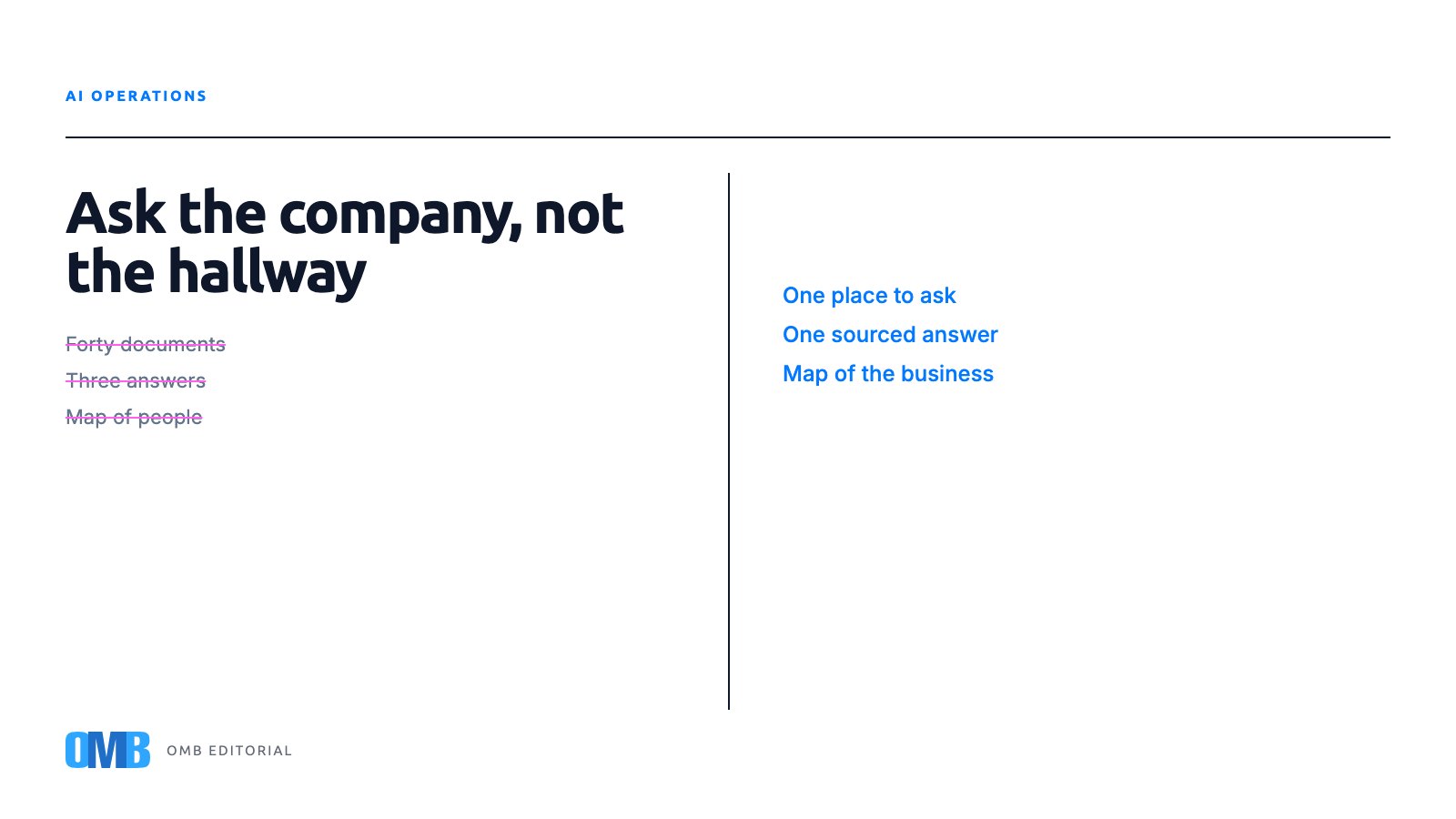
Write down, name by name, who receives each type of contact while that person is out: a new inquiry, a support request, an invoice question, a complaint. If the answer to any of those is "whoever sees it first", nobody sees it first. A shared inbox without an owner is a place where messages go to wait.
How long will a new inquiry wait for a real reply?
Not an auto-reply. A real one, with an answer or a next step inside it. In a normal week you probably know the number without measuring it. In vacation weeks it stretches, and the stretch is invisible because the people who would notice are the ones at the lake.
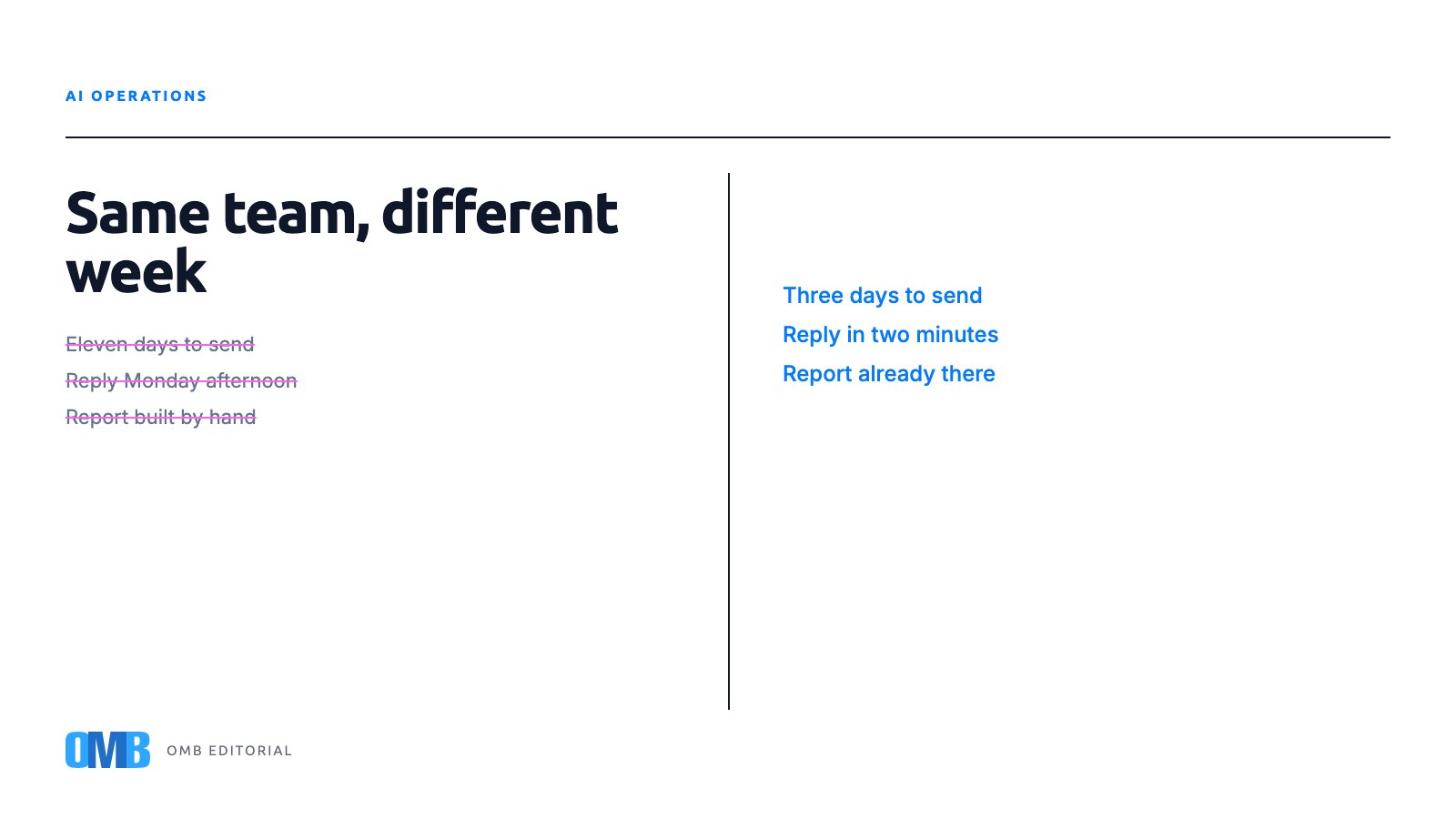
Do the arithmetic once. If your team usually answers within two hours and July stretches that to two days, every inquiry that arrives on a Thursday afternoon waits through the weekend. Over three weeks, a meaningful share of the month's leads meets you at your slowest. An agent that reads the inquiry, answers the ordinary questions and books a slot in the right person's calendar closes that gap without asking anyone to check email from a dock.
What does a customer hear when they call and nobody picks up?
A phone that rings through to a generic voicemail says something about your company, and it is rarely what you would choose to say. Callers in July are often the ones with urgency: a delivery that did not arrive, an outage, a renewal that expires while the account manager is away.
What matters is the first thirty seconds. A voice agent that knows your catalog, your hours and your escalation rules can take the order, log the issue and tell the caller exactly when a person will follow up. That is a different experience from "your call is important to us", and the difference shows up in whether they call again.
Which promises are already on the calendar for those weeks?
Renewals, deliveries, project milestones, invoice due dates and follow-ups that someone scheduled in May all land in July regardless of who is around. The ones that live in a person's head, or in a personal notes app, leave with the person.
Before the first departure, pull every commitment with a July date into one list and give each one a name that will be at work that day. Where the commitment is routine, such as a payment reminder or a check-in on a quote, let the system send it and let the record show that it went out. Nothing should go silent because the person who remembered it is away.
What will you know on the first Monday back?
Most leaders return to a full inbox and rebuild the month from it. That takes days, and it produces a picture that is partial by construction: you see what people wrote to you, never what they did not.
Decide now what you want to see on that Monday. How many inquiries arrived and how fast each got a reply. Which ones booked a meeting. Which customers called with a problem and whether it was resolved. Which invoices were paid and which are now late. If those numbers exist in one place while you are away, the first day back is a review rather than an excavation.
Is the plan a person, or is it a system?
The tempting answer to every question above is "Dana will cover it". Dana is capable and Dana will try. She will also be covering three jobs, and the one she covers worst is the one nobody sees until August.
An operation that does not depend on anyone being there is not an operation with nobody in it. People still make the calls that need judgment. The change is that the front door, the follow-ups and the record keep running on their own, and the person covering gets a short list of exceptions instead of an inbox. That is the difference between a vacation the team enjoys and a vacation the customers notice.
If you can answer all six questions on one page, July will be quiet for the right reasons. If two or three of them make you pause, that pause is the most useful thing to happen before anyone packs a bag.
Key points
- Name, in writing, who receives each type of customer contact during every vacation week.
- Measure how long a new inquiry waits for a real reply in July and close the gap with an agent that answers and books.
- Pull every dated commitment for July into one list and let routine ones go out from the system with a record.
- Decide before you leave which numbers you want to see on the first Monday back.
- Treat a single person covering three jobs as a warning, not a plan.
Frequently asked questions
How do you keep customer service running when the team is on vacation?
Assign a named owner to each type of contact, set a maximum wait for a real reply, and let an AI agent handle the ordinary inquiries, bookings and routine follow-ups inside your CRM so the person covering only sees exceptions. Record everything in one place, so the return to the office starts with a report instead of an inbox.
Should a small business pause marketing during the July 4 week?
Pause it only if nobody can answer the inquiries it produces. If replies keep going out within minutes, the quiet week often brings leads at a lower cost because fewer competitors are active. The test is the reply time, not the calendar: an inquiry answered in nine minutes on July 5 is worth as much as one answered in March.
What should an out-of-office plan include for a mid-sized company?
A list of who covers each contact type, the dated commitments falling in the period with a name next to each, the rules for what an agent can answer alone and what it must escalate, and the handful of numbers the leader wants to see on return. One page is enough if every line has an owner.
If two of these questions gave you pause, a thirty-minute conversation before the office empties is a good way to close them.
About the author
 Mike SilvaTechnical SupportOMB Editorial Team
 Part of the OMB Cloud AES agent team, writing from what they see every day operating businesses.